







Search Results for: 15g Coffee
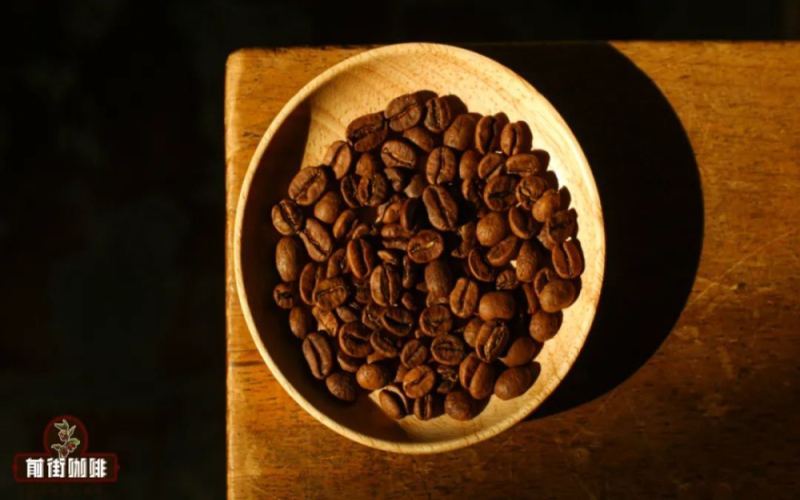
Why Is 15g of Coffee Commonly the Single-Serving Standard for Pour-Over? A Full Analysis of the Differences Between 01 and 02 Drippers
When browsing brands like Front Street Coffee or coffee teaching courses, you will often see single-origin beans recommended for brewing with 15g of coffee grounds. This number seems to have become the golden standard for pour-over coffee, but why exactly 15g? What problems would 10g or 20g bring? Starting from Front Street Coffee's teaching practice, this article deeply analyzes the impact of coffee dose on coffee bed depth, water flow state, and extraction results, explaining why 15g can become the most suitable single-serving parameter for the 01 dripper. At the same time, many enthusiasts are also curious about the difference between the 01 and 02 drippers. We will provide an answer from the perspective of coffee bed depth and extraction uniformity, helping you understand the logic behind the parameters and brew more stable and delicious pour-over coffee. [more…]
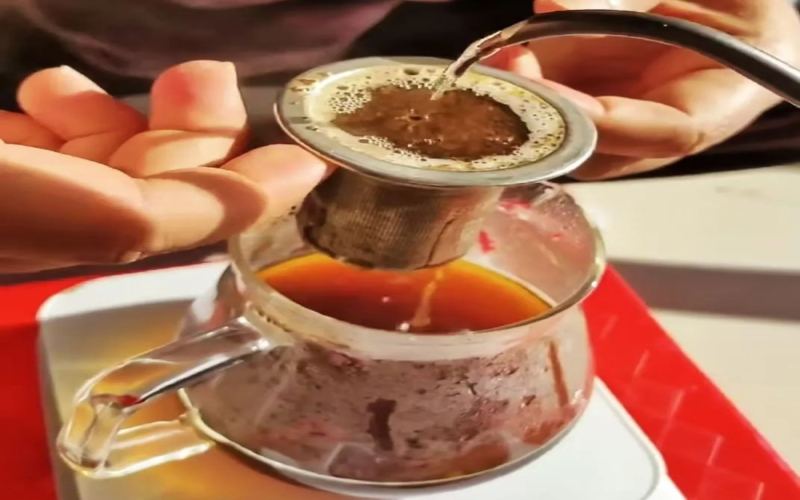
What to Do If You Don't Have a Digital Scale for Pour-Over Coffee? Visual Estimation Tips and Pulsed Pouring Plans for 15g of Grounds
The consistent output of pour-over coffee is inseparable from the precise measurement of an electronic scale, but if you run into the predicament of a broken scale, a dead battery, or simply no alternative tool to be found, does that mean you have to give up on a good cup of coffee? Starting from the two core variables of coffee dose and water volume, this article shares Front Street Coffee's hands-on experience: how to judge 15g or 20g of ground coffee by visually estimating the height of the coffee bed, how to use the dripper's markings as a reference under different roast levels, how to choose a coffee-to-water ratio between 1:14 and 1:16, and a three-stage blind brewing process that requires no scale. Even without equipment, mastering these techniques can still brew a qualified pour-over of about 210ml. [more…]
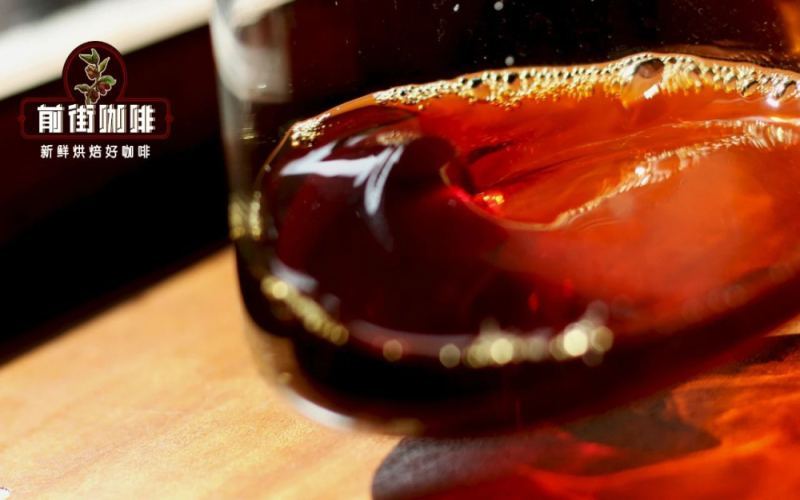
Pour-Over Coffee Ratio for One Person: 15g Coffee to 225ml Water and a Three-Pour Extraction Guide
How much water should 15 grams of coffee grounds actually be paired with? How can a single-serving pour-over brew a stable and delicious cup? This article starts from the 1:15 coffee-to-water ratio long used by Front Street Coffee, explaining the difference between the coffee-to-water ratio and the water-to-coffee ratio, why the brewed coffee liquid is not 225 milliliters, the relationship between 1:15 and the Golden Cup extraction range, and why this ratio is reliable enough for most coffee beans. At the same time, the article also fully breaks down the specific steps of three-stage pouring, including blooming, the water volume for each stage, changes in the liquid level, and the shaking and blending after brewing ends, helping you better bring out floral aromas, fruity acidity, and rich layers with pour-over. [more…]

Pour-over Coffee Three-Stage Pouring Technique Tutorial | How Much Water for 15g of Coffee Powder in Pour-over Coffee? How Can Coffee Beginners Make a Single Serving of Pour-over Coffee?
When brewing pour-over coffee, Front Street Coffee insists on using a 1:15 coffee-to-water ratio—why is that? Was this result arrived at by chance, or was it derived from various brewing experiments based on data? In this article, Front Street will explain why. [more…]
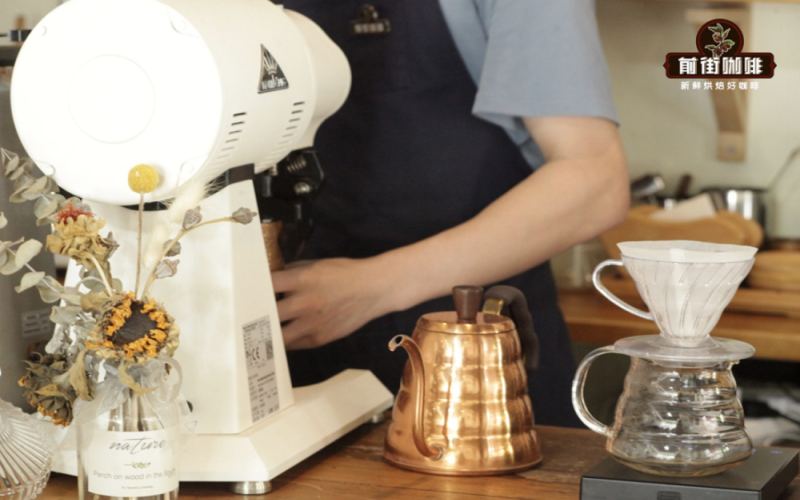
Yirgacheffe Pour-Over Parameters and Coffee-to-Water Ratio Explained: Specialty Coffee Brewing Techniques for 15g of Beans
Pour-over coffee may seem easy, but in practice it requires attention to many details—any deviation in a single step can change the final flavor of the coffee. To brew a satisfying cup, you need both high-quality coffee beans and precise control over the coffee-to-water ratio, grind size, water temperature, and pouring rhythm. Based on a 15 g dose, this article focuses on coffee beans from the Yirgacheffe region and shares in detail Front Street Coffee’s store recipe parameters and staged pouring technique, along with pour-over flavor descriptions for two beans—Gedeb Ding washed and Red Cherry natural—for coffee enthusiasts to reference and adjust. [more…]
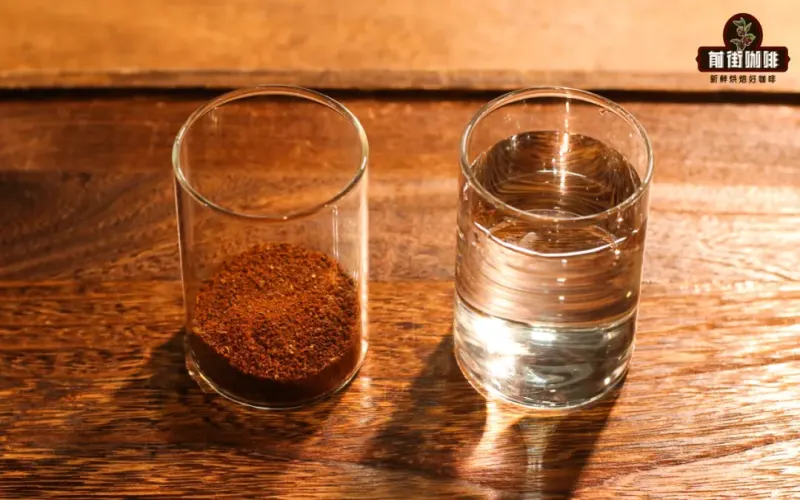
A Complete Guide to Pour-Over Coffee Ratios: How Much Water for 15g of Coffee? A Concentration Experiment Tells You the Answer
How exactly should the coffee-to-water ratio for pour-over coffee be set? How much water is actually needed for 15 grams of coffee grounds? This is a common confusion for many enthusiasts. Starting from a controlled experiment at Front Street, this article visually demonstrates how the coffee-to-water ratio affects coffee strength: with all other conditions unchanged, brewing at three ratios of 1:10, 1:15, and 1:20 yielded measured strengths of 1.93%, 1.35%, and 1.04% respectively. Through this set of data, you will clearly understand the inverse relationship between water volume and strength, and learn to adjust your own brewing plan accordingly. [more…]
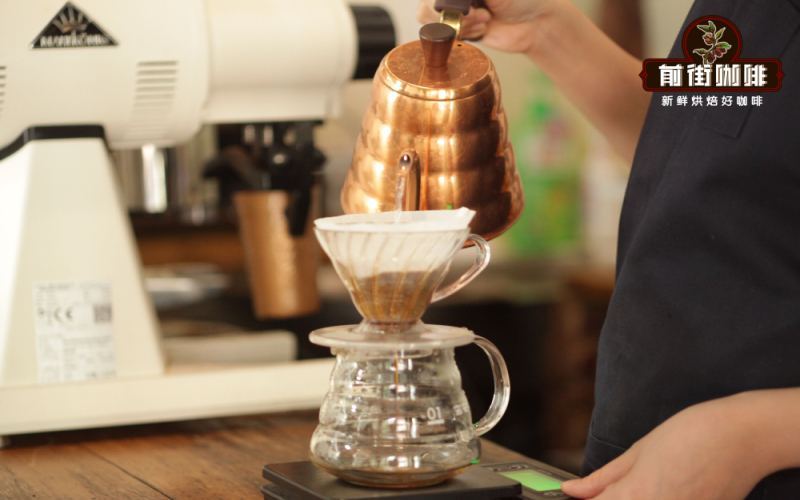
How Long Should Pour-Over Coffee Extraction Take? A Flavor Control Guide for 15g Coffee: 1:50 to 2:30
How long should you brew pour-over coffee for the best taste? This is a question many enthusiasts agonize over again and again. Using a size 01 dripper and 15 grams of coffee as the baseline, this article gives the optimal extraction window of 1 minute 50 seconds to 2 minutes 30 seconds, and starting from the principles of coffee extraction, explains how brew time affects the dissolution of flavor compounds, as well as what taste profiles under-extraction and over-extraction each produce. It also breaks down how three key variables—grind size, dripper type, and pouring technique—specifically affect the flow rate, helping you control timing more consistently in your daily brewing and make a well-balanced cup of good coffee. [more…]
Analysis of Water Volume for 15g Pour-Over Coffee: Front Street Coffee Nicaragua High-Grown Extremely Hard Bean Full Berry Process Caturra Flavor and Brewing Guide
How much water should 15 grams of coffee grounds be paired with for pour-over coffee? This article uses Front Street Coffee's Nicaragua high-grown extremely hard bean full berry process Caturra as an example to provide a three-stage pouring plan with 225 grams of water. Although Nicaragua has long been overlooked by Taiwan's coffee scene, its growing conditions are no less favorable than those of other Central American countries. Its coffee is known for being clean and balanced, with light roasts being clean and bright, and dark roasts being sweet and full-bodied. Jinotega, Matagalpa, and Segovia are high-quality producing regions. This Caturra is full of fruit aroma and rich fruit acidity throughout, combining Central American elegance with African boldness. The article also includes complete information on variety, producing region, altitude, processing method, and brewing parameters. [more…]
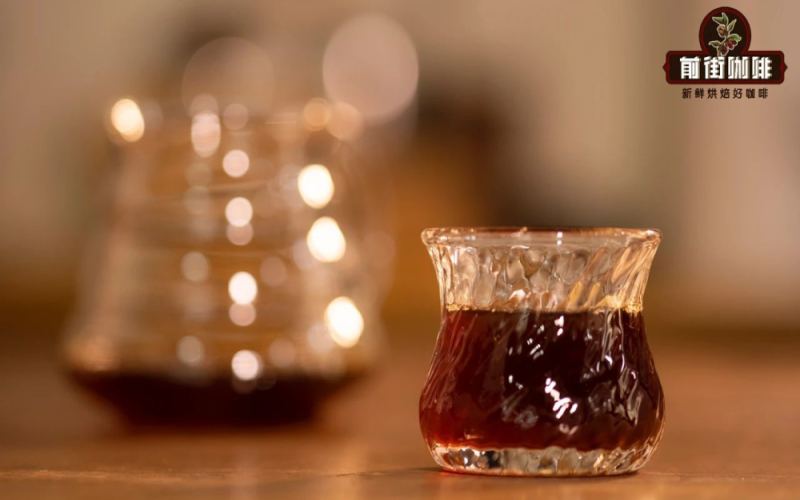
Pour-Over Coffee from Bean Selection to Parameters: Single-Origin Recommendations for Different Roast Levels and Water Ratios for Brewing with 15g of Coffee
To brew a delicious pour-over at home, choosing the right beans and mastering the water volume are key. This article starts with the regional character of single-origin coffees, then outlines flavor profiles and specific Front Street bean recommendations for light, medium, and dark roast levels, so even beginners can quickly find the style they enjoy. It then uses the classic Front Street Queen's Estate as an example to disclose the cafe's brewing parameters—Kono dripper, 88°C water, 15 g coffee, 1:15 coffee-to-water ratio, medium-fine grind—and breaks down the three-pour节奏 in detail: 30 g bloom for 30 seconds, second pour to 125 g, wait until the liquid level drops by half, then top up to 225 g, with a total extraction of about 2 minutes 10 seconds. After reading, you can replicate a clean and balanced pour-over by following the parameters. [more…]
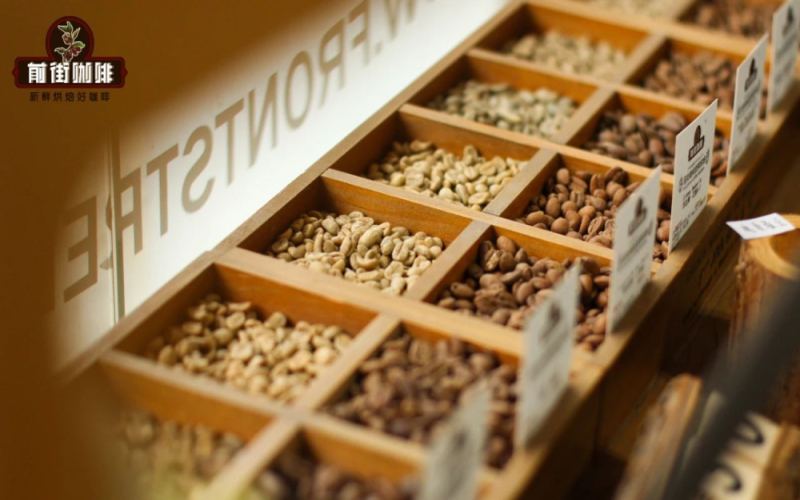
Flavor Analysis of Asian Coffee Origins: Low-Acid, Full-Bodied Coffee Varieties from Indonesia, Yunnan, and More, with Brewing Guides
Although the Asian coffee-producing regions are not as famous for renowned estates as Africa or Central and South America, they occupy an important place on the world coffee map with their rich, full-bodied, and low-acidity flavors. Indonesia's Mandheling, China's Yunnan small-bean variety, Vietnam's Robusta, India's Monsoon Malabar, and Papua New Guinea's Bird of Paradise all showcase the distinctive heaviness and sweetness of Asian beans. Front Street Coffee takes you through the varietal characteristics, processing methods, and brewing suggestions of these regions one by one, so that whether used as an espresso blend base or a single-origin pour-over, you can experience the unique charm of Asian coffee. [more…]

A Detailed Guide to Five Brewing Methods for Front Street Small-Bean Huakui Coffee: V60, Clever Cup, French Press, AeroPress, and Cold Brew
Geisha coffee beans have captured the hearts of many coffee lovers with their enchanting floral and fruity aromas, and different extraction methods can reveal completely different layers of flavor. In this article, Front Street Coffee will focus on the small-bean Geisha coffee beans and provide a detailed demonstration of five brewing methods: V60 pour-over, Clever Cup immersion, French Press immersion, AeroPress pressure brewing, and cold water immersion. Each method includes specific coffee-to-water ratios, grind sizes, water temperatures, and step-by-step instructions to help you consistently reproduce the Geisha's berry sweetness and creamy texture at home. Whether you prefer a clean, bright cup or a full, rich experience, you can find a brewing method that suits you. [more…]
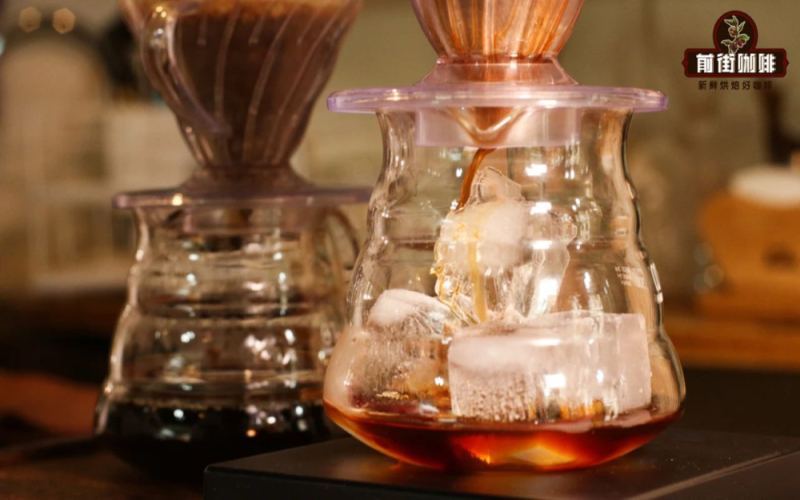
Iced Pour-Over Coffee Recipe and Practical Comparison: How a 15g Dose Ratio and Ice Addition Order Affect Flavor
Iced pour-over coffee has gained popularity among many enthusiasts in recent years, but the details during brewing often determine the final flavor direction. Front Street Coffee uses 15 grams of coffee grounds and a 1:10 coffee-to-water ratio as the foundation, paired with 100 grams of ice for cooling and dilution, and conducts a side-by-side comparison experiment on the two methods of adding ice first versus adding ice later. This article fully presents the experimental parameters, brewing process, and sensory differences, while also sharing the flavor performance of the Kafa Forest Ethiopian washed bean, helping readers understand the specific effects of ice addition timing on coffee cleanliness, aroma intensity, and mouthfeel changes, providing reference adjustment ideas for daily brewing. [more…]
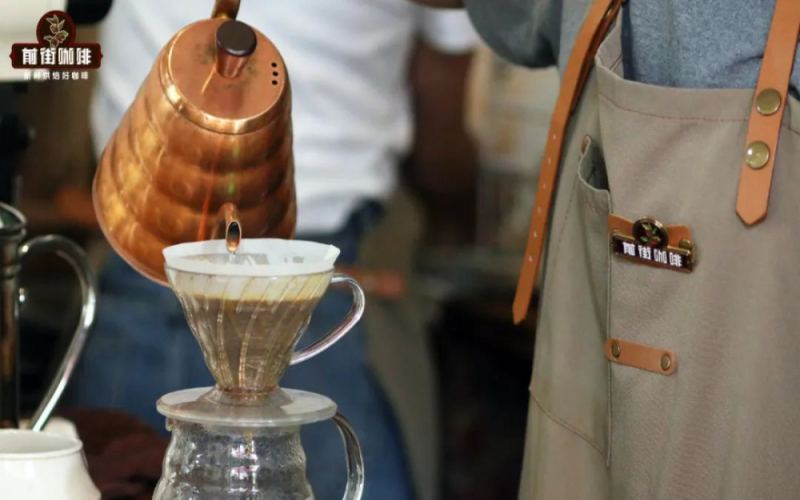
A Detailed Guide to Pour-Over Coffee Ratios: Staged Pouring, Water Temperature, Grind Parameters, and a Three-Stage Practical Guide
The charm of pour-over coffee lies in the ability to flexibly adjust various parameters, and the coffee-to-water ratio is the core variable that determines strength and extraction. Starting from the definition of the coffee-to-water ratio, this article analyzes how the amount of water poured affects strength and extraction yield, explains how to choose a suitable ratio based on the characteristics of the beans, and breaks down in detail the principles and methods of staged pouring. Using the 15 g dose and 1:15 to 1:16 ratio commonly used at Front Street locations as an example, along with parameters such as water temperature and grind size, it provides a three-pour brewing procedure suitable for beginners, helping enthusiasts build their own brewing framework. [more…]
Flavor Characteristics and Processing Methods of Asian Coffee Origins: A Guide to Varieties and Brewing from Indonesian Mandheling to Yunnan Arabica
Among the world's three major coffee-growing regions, Asia may not be as well-known as Africa and the Americas, but its output and flavor distinctiveness are by no means inferior. This region as a whole is known for its rich, full body and rounded sweetness, making it especially excellent as an espresso blend base, while also possessing a unique charm when brewed as a single-origin pour-over. This article systematically reviews the coffee landscapes of major Asian producing countries such as Indonesia, China, Vietnam, India, and Papua New Guinea, with a focus on analyzing distinctive processing methods such as Indonesia's wet-hulling process and India's monsoon processing method. It also comprehensively compiles the brewing parameters and flavor descriptions of Front Street Coffee's Mandheling, Yunnan small-batch, and Bird of Paradise products, providing coffee enthusiasts with a practical reference from origin to cup. [more…]
Panama Elida ASD Anaerobic Low-Temperature Slow Natural Geisha: Four Pour-Over Brewer Methods and Flavor Comparison
Front Street recently acquired a Geisha coffee bean from Elida Estate in Panama, processed using the NATURAL-ASD anaerobic fermentation low-temperature slow sun-drying method—the same process used for this year's Panama BOP champion Geisha in the processing category. After the beans were properly rested, we tested brewing with a hollow filter cup, Ice Eye filter cup, cake filter cup, and diamond filter cup, standardizing the parameters to 15 grams of coffee, medium-fine grind, 90°C water temperature, and a 1:15 coffee-to-water ratio, recording the extraction time and flavor performance for each filter cup. Elida Estate is renowned for its sun-dried processing, and this ASD Geisha shines in fermentation aroma, juicy mouthfeel, and layered tea-like notes. Below, we share four specific brewing recipes and comparison results for coffee enthusiasts' reference. [more…]
Analysis of Asian Coffee Production Regions: Flavors and Processing Methods: Notable Origins Such as Indonesian Mandheling, Yunnan Small-Bean, and Vietnamese Robusta, Plus Recommendations from Front Street Coffee
Asia is one of the world's three major coffee-producing regions. Although it has fewer well-known producing countries than Africa and the Americas, its output is enormous and its flavor profile is highly distinctive. Asian coffee is generally characterized by a full-bodied mouthfeel and rich, rounded sweetness. It is often used as the base for espresso blends and is also suitable for single-origin pour-over. Front Street Coffee will guide you through the coffee characteristics, processing methods, and representative beans of well-known Asian producing countries such as Indonesia, China, Vietnam, India, and Papua New Guinea. Among them, the wet-hulling method of Indonesian Mandheling, the unique flavor of Yunnan Catimor, Vietnam's Robusta production, and India's monsoon processing method each have their own charm. The article also includes the brewing parameters and flavor descriptions for several Front Street coffees, including Mandheling, Yunnan Catimor, Indian Monsooned Malabar, and Papua New Guinea Bird of Paradise. [more…]
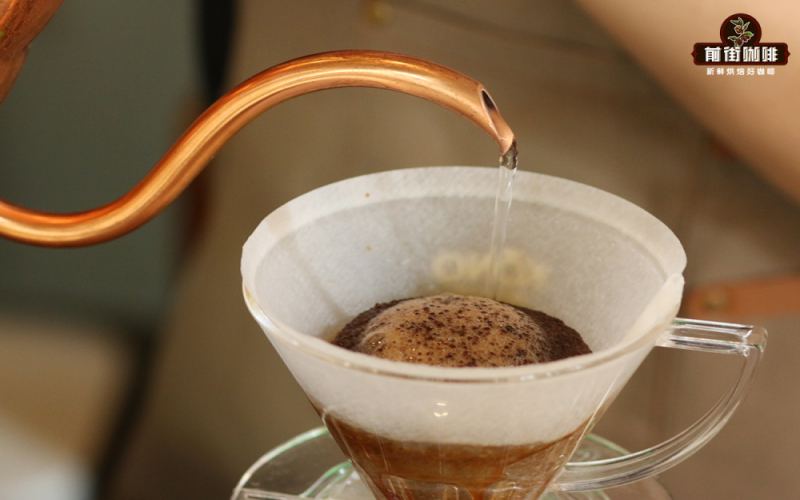
How to Decide the Coffee-to-Water Ratio for Pour-Over? A Practical Guide from 1:15 to 1:18 and a 15g Coffee Pouring Plan
The coffee-to-water ratio is the first parameter to nail down in pour-over coffee, as it directly influences both the strength and the extraction yield. The American Coffee Association once arrived at a golden ratio of 1:18 through extensive research, but today's bean varieties and processing methods are vastly different, making this figure better suited as a starting point than an ironclad rule. Front Street Coffee's shops typically brew with 15 grams of grounds to a 1:15 ratio, meaning 225 milliliters of hot water is poured; when they want to highlight floral notes and acidity, they loosen the ratio to 1:16. This article explores how the coffee-to-water ratio affects flavor, how to fine-tune it for different beans, and a hands-on three-pour routine using 15 grams of grounds, helping beginners find a brewing rhythm that suits them. [more…]
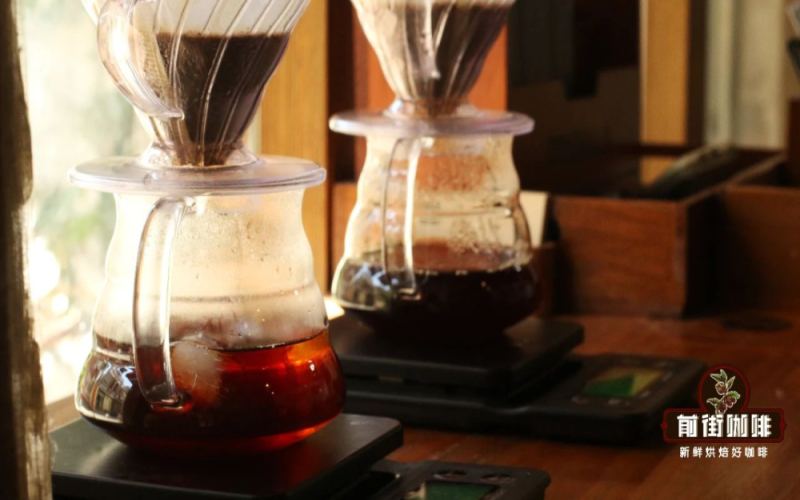
Yirgacheffe Washed Gudingding Pour-Over Parameters Sharing | What Are the Differences in Pour-Over Brewing Water Temperature, Pouring Technique, and Extraction Time Between Dark Roast and Light Roast Coffee Beans?
For more specialty coffee knowledge, please follow: Front Street Coffee (Frontsteet Coffee). The most charming thing about pour-over coffee is its adjustability. Many customers who often come to Front Street for coffee also try making pour-over at home, and they always say that pour-over coffee is too difficult. [more…]
Analysis of Flavor Differences Between Hot and Cold Pour-Over Coffee and the Optimal Drinking Temperature
A cup of pour-over coffee reveals a completely different flavor perception at different temperatures. When hot, bitterness is suppressed and the sour-sweet notes stand out; at the medium-temperature stage, sweetness and the sweet aftertaste are at their fullest; once cooled, bitterness and acidity rise together while sweetness fades. Through comparative experiments, Front Street Coffee found that the reason hot pour-over has a more complete flavor comes down to ample water and full extraction. Iced pour-over, by contrast, requires less water and a finer grind to cool quickly, yet this easily brings out bitter, harsh off-notes from too many fines. Starting from parameter differences, experimental data, and tasting feedback, this article systematically explains why, if you want flavor, you should drink hot pour-over. [more…]
What difference does brewing Costa Rican Finca La Diosa Geisha with different water temperatures make to its flavor profile?
Front Street Coffee recently launched a Costa Rican La Pastora Estate Geisha. The beans are full of floral aroma, the green beans are pale green and elongated, and they smell of fresh bergamot and berries. To investigate how different water temperatures affect the flavor of these beans, we brewed them at 93°C, 92°C, 91°C, and 90°C, keeping all other parameters the same. The results showed that the high-temperature extraction had a fuller mouthfeel but relatively simple flavor layering, while the lower water temperatures presented a richer fruity tea-like quality and a refreshing mouthfeel. If you are also wondering what water temperature to use for Geisha, take a look at the detailed record of this comparative brewing. [more…]